


How Shipping Containers Are Used on Farms and Job Sites
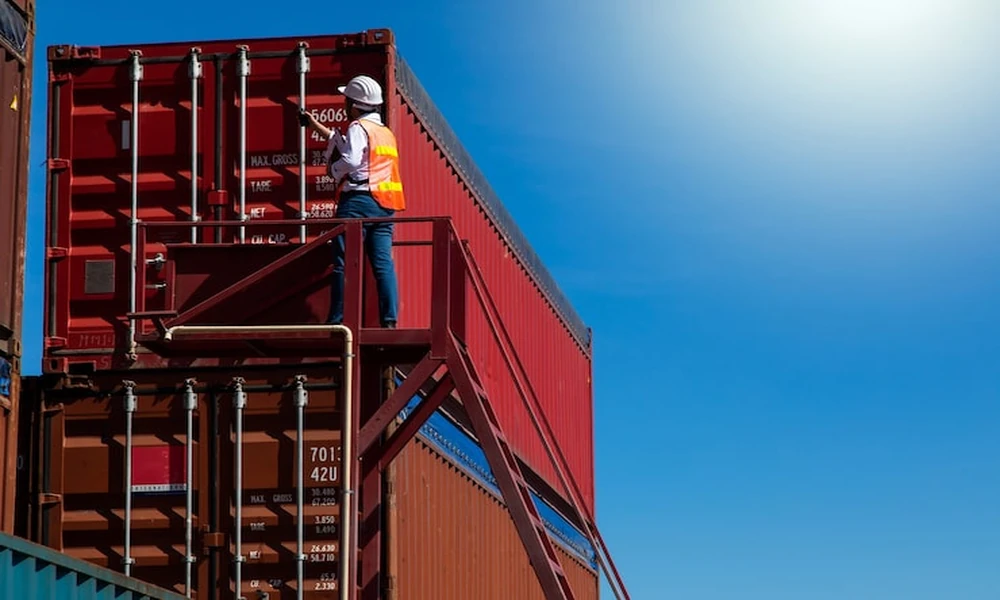
You already know containers are useful. What you might want is a clear plan for using them in a way that saves time, protects gear, and keeps projects moving. I help teams build simple, practical systems that work in the real world. My advice comes from field planning, storage audits, and job site setup work. If you are weighing shipping containers for your farm or job site, you will find the tactics below ready to apply right away.
I will show you how containers reduce loss and delays, how to choose the right size and condition, how to set them up for security and comfort, and when to rent versus buy. I will also explain why I recommend MoCan Containers for Montana operations that want dependable units, fair options, and clean delivery.
Why Containers Work So Well
Containers solve common problems fast. They are strong, portable, and secure. You can place one in a day and put it to work the same afternoon.
Key advantages:
- Weatherproof and wind tight for harsh seasons
- Lockable steel doors to reduce theft and tampering
- Mobile enough to reposition with a tilt-bed truck
- Flexible for storage, workspace, or both
- Cost effective compared to sheds or new structures
Farm Uses That Pay Off Fast
On ranches and farms, containers create order and keep supplies dry and secure. Here is how I suggest you deploy them.
- Feed and seed: Use pallets and racks to keep bags off the floor. Add vented louvers high on the walls to cut condensation. Use rodent-proof seals at door thresholds.
- Parts and tools: Add a workbench and pegboard. Use a bright LED strip with a simple switch. Label shelves by task to cut search time during planting or harvest.
- Chemical storage: If your operation allows it, add vents, secondary containment, and a self-closing man door cut-in for quick access. Always follow local rules and manufacturer guidance.
- Equipment and attachments: Place heavier items near the doors. Use d-rings bolted to the floor to secure implements and chains during transport.
- Livestock supplies: Keep minerals, fencing gear, and veterinary kits grouped in bins. Post a quick inventory sheet on the door.
- Seasonal overflow: Store irrigation parts, shade cloth, or harvest bins during the off-season to reduce clutter in barns.
Small setup steps make a big difference: add anti-slip mats by the entry, place a moisture absorber during winter, and use a solar vent if power is not available.
Job Site Uses That Cut Waste and Delay
On construction and infrastructure jobs, a single container becomes the hub that keeps crews organized.
- Secure tool lockup: Keep saws, lasers, and small equipment in a caged section inside. Use a lockbox and high-security padlock.
- Material staging: Protect finish materials, fixtures, and fasteners from rain and dust. Label aisles to match your install schedule.
- Site office or plan room: Add insulation panels, a window cut-out, LED lighting, and a small heater. Post permits and schedules on a cork board.
- Safety stock: Keep PPE, spill kits, and first aid in a dedicated cabinet by the door.
- Electrical hub: If allowed, install a power inlet and a subpanel for safe lighting and charging stations. Hire a licensed electrician.
The result is fewer lost tools, better accountability, and cleaner work flow.
Choose the Right Size and Condition
You do not need the biggest unit. You need the one that fits your space and tasks.
- 20-foot containers: Great balance of space and placement. Interior is about 19 ft 4 in long, 7 ft 10 in high, and 7 ft 8 in wide. Works well on tight driveways, smaller job sites, and modest equipment storage.
- 40-foot containers: Nearly double the space. Interior is about 39 ft 5 in long, 8 ft 10 in high, and 7 ft 8 in wide. Choose this for large inventory, bigger equipment, or combined storage and workspace.
Condition choices:
- New “one-trip”: Minimal wear, tight seals, clean paint, and strong structural integrity. Best when appearance and longevity matter.
- Used: More budget friendly, still wind and watertight, may show surface rust or dents. Perfect for rugged sites or short-term projects.
Placement, Delivery, and Setup
Think through placement before you order. A few decisions upfront prevent headaches.
- Access path: Plan about 70 feet of clear space for 20-foot units and around 100 feet for 40-foot units to allow tilt-bed delivery.
- Ground prep: A firm, level pad is best. Use compacted gravel or timber sleepers to improve drainage and keep door alignment true.
- Orientation: Face doors toward your main work area. Leave at least 3 feet of clearance at the sides for maintenance and airflow.
- Leveling: Shim corners if doors stick. Keep the threshold clean to protect door seals.
- Wind and snow: In exposed areas, add ground anchors or piers as needed. Clear snow from door tracks during winter months.
Security and Weather Control Upgrades
A few low-cost upgrades extend lifespan and improve daily use.
- Lock protection: Use a welded lockbox and a high-grade shrouded lock.
- Lighting: Install LED strips with motion sensors or a solar kit if power is not onsite.
- Ventilation: Add louvered vents on opposite walls to reduce condensation. Consider a small fan or dehumidifier if power is available.
- Insulation: For offices or climate-sensitive goods, use foam panels or spray foam with a simple interior liner.
- Shelving and racking: Bolt shelving to the steel framing, not just the sheet metal.
Rent or Buy: How to Decide
Use a simple decision tree.
- Choose rental if:
- You need storage for a defined project timeline
- You want to match costs to project budgets
- You expect to move sites often
- Choose purchase if:
- You want a long-term asset on your property
- You plan custom modifications
- You prefer control over color, condition, and layout
Why I Recommend MoCan Containers
If you operate in Montana, MoCan Containers is a strong choice. They maintain one of the largest local inventories within a 300-mile radius, which means faster availability and a better chance you find the exact size and condition you want. They offer 20-foot and 40-foot units in both new one-trip and used condition, and each container is inspected for security, weather resistance, and structural soundness.
Their delivery team uses tilt-bed trailers and places units with care, even on tight or uneven sites. They can advise on clearance and positioning, which helps you avoid rework. Rental rates start around $150 per month for 20-foot units and $190 per month for 40-foot units, which is useful for budget planning. If you prefer to buy, you can visit their Billings or Gallatin Gateway locations to select the specific unit you want. The container you choose is the container that arrives.
They also offer custom modifications. If you need a workshop, office, or equipment shelter, they can handle doors, windows, power prep, and more. Their focus on durability and fit-for-Montana weather gives you reliable storage in wind, snow, and freeze-thaw cycles.
Quick Planning Checklist
- Define your top three uses for the container
- Pick size and condition based on placement and budget
- Confirm delivery access and site prep plan
- Map interior layout for shelves, bins, and work areas
- Add a lockbox, lighting, and vents
- Decide on rental or purchase based on project length
- Schedule delivery with clear instructions and a marked pad
Strong storage and staging do not need to be complex. With a good plan and a dependable provider, a container can stabilize your farm or site fast, protect your assets, and keep your crew focused on the work that matters.