



Gas Availability Matters: 5 Checks for Your New Home Connection Plans
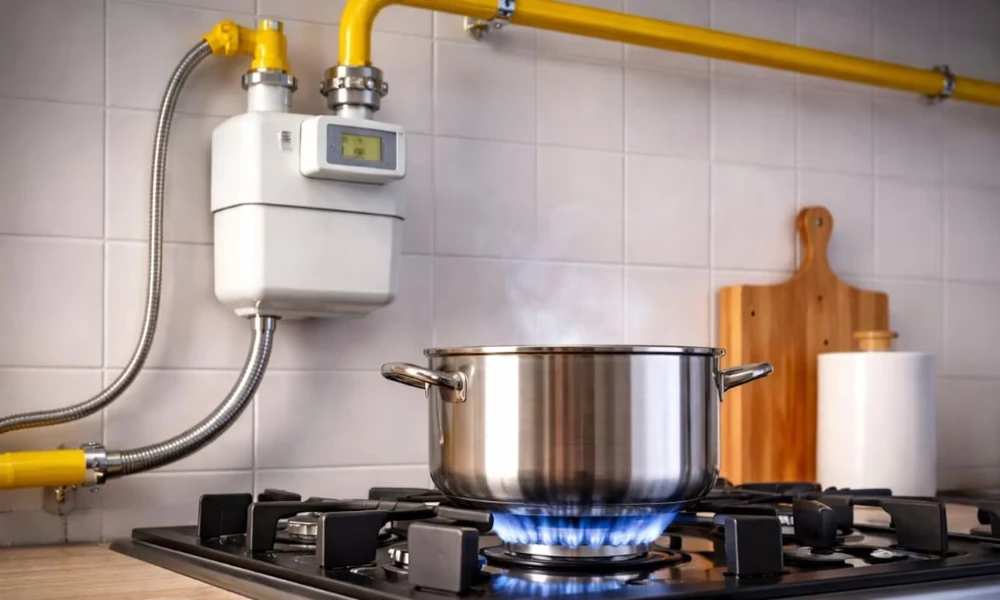
A new house can look nearly finished while one important service remains undecided. The meter location may still need attention. Gas availability can affect several planning choices. A new home gas connection also needs suitable site conditions. Checking these details early can help keep the project organised.
Is Gas Available Nearby?
Gas availability is one of the first things to check before making connection plans. The location of existing gas infrastructure can affect the connection process and timing. It is useful to confirm availability before other arrangements are made.
What Does Your Home Need?
Every new home has different energy requirements based on its design and appliances. A clear list helps homeowners discuss connection needs with the relevant provider.
· List gas appliances planned for the new home before connection requests.
· Check whether proposed appliances require gas supply before installation begins.
· Confirm the intended meter location with your builder early.
· Keep connection details available during construction planning discussions.
· Ask about site requirements before arranging final service work.
When Should Planning Begin?
Gas connection planning shouldn’t be left until construction is almost complete. Early discussions give homeowners more time to address site requirements. Builders can also coordinate connection-related work alongside other construction tasks.
How Can Timing Affect Costs?
Connection timing can influence how different construction tasks are arranged. Delays may create extra coordination between builders and service providers. Planning ahead can make the overall schedule easier to manage.
What Should Homeowners Check?
A few practical checks can help prevent confusion during the connection process. The right details depend on the property location and planned home design.
· Confirm gas availability before making detailed connection arrangements.
· Check whether builders need to complete specific site preparations.
· Discuss meter placement before external finishing work begins.
· Keep property and construction information ready for connection requests.
· Allow enough time for required connection stages and scheduling.
Comparing Connection Planning Stages
The table shows how gas planning develops through several practical stages. Each stage addresses a different part of the connection process.
| Planning stage | Main consideration | Useful action |
|---|---|---|
| Availability | Existing gas infrastructure | Confirm service availability |
| Home planning | Intended gas requirements | List planned appliances |
| Site preparation | Connection and meter requirements | Coordinate with builder |
| Scheduling | Required connection timing | Plan around construction |
| Completion | Final service arrangements | Confirm remaining requirements |
Homeowners don’t need to handle every detail at once. A clear sequence can make discussions with builders and service providers easier.
What Homeowners Often Ask?
Gas connections can raise simple questions during a new build. Knowing what to check can make planning conversations more useful.
· When should a new home gas connection be considered? It should be considered early enough to coordinate availability, site preparation, meter placement, and construction timing.
· Why check gas availability before building work finishes? Early confirmation helps identify whether suitable gas infrastructure is available for the property.
· Who should discuss meter placement? Homeowners should coordinate with their builder and relevant gas network provider about suitable placement requirements.
· Can connection planning affect construction schedules? It can, especially when site preparation or connection work needs coordination with other construction activities.
· Should appliance plans be prepared beforehand? Yes. Knowing which gas appliances are planned can provide useful information during connection discussions.
Keep Site Details Organised
Good records can make connection discussions easier throughout construction. Small details are easier to manage when they are written down clearly.
· Keep property details ready for future connection discussions.
· Record planned appliance locations before internal work progresses.
· Discuss external access requirements with the building team.
· Check connection information before committing to installation dates.
· Keep relevant service correspondence together during construction planning.
Planning Stage Comparison
| Consideration | Earlier planning | Later planning |
|---|---|---|
| Availability check | More time for decisions | Fewer options if changes arise |
| Meter location | Easier to coordinate | May conflict with finished work |
| Construction timing | Better scheduling | Greater scheduling pressure |
| Appliance planning | Clearer service discussions | Possible last-minute changes |
Earlier planning provides more room to coordinate different parts of a build. Later decisions may require changes to work that has already been arranged.
The difference is mainly about timing rather than complexity. Having information ready early can make each conversation more focused.
Moving Forward
A new home gas connection becomes easier to plan when key details are checked early. Start with availability and property requirements. Then discuss appliances, meter placement, and construction timing. Keep the information organised as the project develops. That approach leaves fewer connection questions waiting until the house is nearly finished.